
Vitamin C
Vitamin C (ascorbic acid and its derivatives) is a potent antioxidant found naturally in citrus fruits and leafy greens. In skincare, it neutralizes free radicals generated by UV exposure and pollution, helping to prevent premature signs of aging. It also inhibits melanin production, visibly fading dark spots and post-blemish marks over time, while stimulating collagen synthesis for firmer-looking skin.
Vitamin C suits most skin types, though sensitive skin may tolerate stabilized derivatives—like ascorbyl glucoside or magnesium ascorbyl phosphate—better than pure L-ascorbic acid. Apply a vitamin C serum in the morning on clean skin before moisturizer and sunscreen to maximize antioxidant protection throughout the day. Start with a lower concentration if you're new to the ingredient, and store your product away from light and heat to preserve potency.
Best Vitamin C picks
Top-reviewed formulas featuring this ingredient.














Guides about Vitamin C
Snail Mucin Pairings: What to Layer for Glass Skin
Snail mucin plays well with niacinamide, hyaluronic acid, vitamin C, and retinol — here's how to layer each correctly, and what to skip.
Read → SerumsHyaluronic Acid: The Best Ingredients to Pair It With
A practical guide to layering hyaluronic acid with niacinamide, vitamin C, and retinol — plus what to avoid and where it fits in your routine.
Read → SerumsRetinol Pairing Guide: How to Layer It Safely
The ingredients that work best with retinol, the ones to keep separate, and exactly where retinol slots into your PM routine.
Read →Vitamin C: frequently asked questions
What is vitamin C good for in skincare?
Topical vitamin C is primarily valued for brightening uneven skin tone, fading dark spots and post-acne marks, and defending against free-radical damage caused by UV exposure and pollution. It also plays a role in supporting collagen synthesis, which helps maintain firmness over time.
It works on most skin types and pairs well with other antioxidants. A well-formulated option like TruSkin Vitamin C Serum with Hyaluronic Acid & Vitamin E adds hydration alongside the antioxidant benefits.
Can I use vitamin C serum every day?
Yes — daily use is both safe and effective for most people. Consistent application is actually key to seeing results like a more even tone and a subtle glow. Morning application makes sense because vitamin C helps neutralize oxidative stress accumulated throughout the day.
If your skin is sensitive, start with every other day and work up. Always follow with SPF in the morning, since vitamin C and sunscreen complement each other well.
Who benefits most from adding vitamin C to their skincare routine?
Anyone dealing with hyperpigmentation, dullness, or early signs of aging tends to see the most noticeable improvement. It's also useful for people who spend significant time outdoors or in urban environments where pollution exposure is high.
Those with acne-prone skin can benefit too, since vitamin C helps fade post-breakout discoloration. It's generally not recommended for people with very reactive or rosacea-prone skin without patch testing first, as lower concentrations tolerated better.
What skin concerns does vitamin C address?
The main concerns vitamin C targets topically are dark spots, hyperpigmentation, and overall uneven tone — it works by inhibiting excess melanin production. It also helps with a lackluster complexion, giving skin a brighter, more radiant appearance with regular use.
Fine lines are a secondary benefit over time due to vitamin C's role in collagen support. It won't replace a retinoid for deeper wrinkles, but it's a strong complement to one.
Does vitamin C work better when combined with other ingredients?
Yes. Vitamin C is significantly more stable and effective when formulated alongside vitamin E and ferulic acid — this combination is well-supported in dermatology research and extends the antioxidant activity of all three. Hyaluronic acid is a common and sensible addition for hydration without interfering with efficacy.
Eclat Skincare Vitamin C Serum with Hyaluronic Acid & Ferulic Acid is one option that stacks these ingredients together.
What concentration of vitamin C should I look for in a serum?
Research suggests vitamin C (as L-ascorbic acid) is effective in the 10–20% range. Below 10% may show limited results for brightening; above 20% doesn't meaningfully improve efficacy and is more likely to cause irritation, especially for sensitive skin.
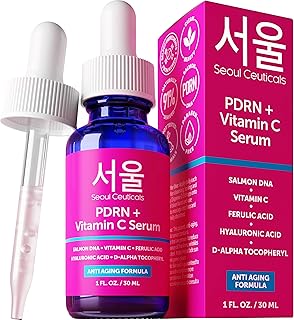
If you want a higher-end concentration, something like SeoulCeuticals 20% Vitamin C + Hyaluronic Acid Serum with CE Ferulic sits at the top of the effective range and includes the stabilizing ferulic acid complex.
How long does it take to see results from vitamin C serum?
Most people notice a subtle glow within a couple of weeks of consistent use. More meaningful changes — reduced dark spots, more even tone — typically take six to eight weeks, since that roughly aligns with the skin's natural cell-turnover cycle.
Results depend on formulation quality, concentration, and how consistently you use it. Stability matters too: vitamin C oxidizes over time, so a serum that's turned orange or brown has lost most of its potency and should be replaced.