
Collagen
Collagen is the most abundant structural protein in skin, responsible for its firmness and elasticity. As we age, natural collagen production slows, leading to fine lines and loss of bounce. Topical collagen in skincare typically appears as hydrolyzed collagen—broken into smaller peptide fragments—to improve absorption and help temporarily plump the skin's surface.
Collagen-infused products work best for those noticing early signs of skin laxity or anyone wanting a short-term smoothing and moisturizing boost. Look for it in serums, creams, and masks. For best results, layer under a moisturizer or SPF. Those focused on long-term collagen stimulation may also want to pair it with retinoids or vitamin C, which support the skin's own collagen synthesis.
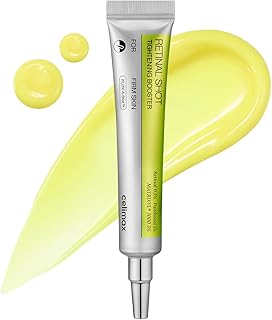
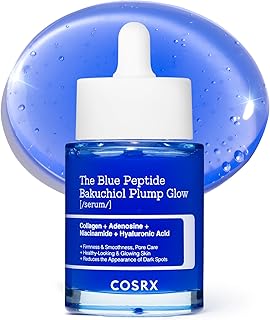
Best Collagen picks
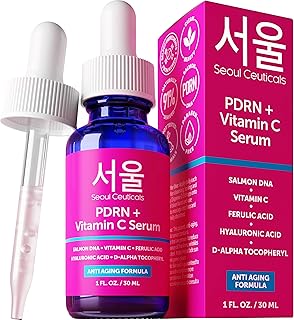
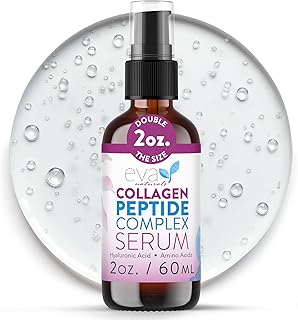
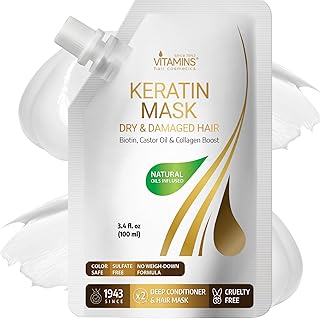
Top-reviewed formulas featuring this ingredient.












Guides about Collagen
Hyaluronic Acid: The Best Ingredients to Pair It With
A practical guide to layering hyaluronic acid with niacinamide, vitamin C, and retinol — plus what to avoid and where it fits in your routine.
Read → SerumsVitamin C Layering Guide: What Works and What Doesn't
Learn which ingredients amplify vitamin C's brightening power, which to keep separate, and exactly where it belongs in your AM routine.
Read → K-BeautyBest Korean Snail Mucin Products for Glowing, Repaired Skin
A no-hype guide to the best Korean snail mucin essences, creams, and masks for softer texture and a stronger moisture barrier.
Read →Collagen: frequently asked questions
Is it actually worth taking collagen?
Probably yes, for skin and joints. Multiple randomized controlled trials show that hydrolyzed collagen peptides can improve skin hydration, elasticity, and the appearance of fine lines with consistent use over 8–12 weeks. Joint and bone benefits are also being studied with promising results.
Outcomes vary by person, dose, and formulation. Look for supplements with at least 2.5–10 g of hydrolyzed peptides per serving and set realistic, gradual expectations rather than expecting overnight change.
What does taking collagen do for your body?
Collagen is the structural protein that keeps skin firm, joints cushioned, and bones strong. Natural production begins declining in your mid-20s, and supplementing with hydrolyzed collagen peptides supplies your body with small amino acid chains it can use to support its own collagen synthesis.
Research points to improvements in skin moisture and elasticity, reduced joint discomfort, and potentially stronger nails and hair with regular, consistent use over several months.
What are the signs that collagen is working?
Progress is gradual—most clinical studies run 8–12 weeks before measurable changes appear. Common positive signals include skin that feels more hydrated and plump, a softening of fine lines, less joint stiffness after activity, and nails that break less easily.
Because improvement is slow, taking weekly close-up photos of skin is a practical way to spot changes that are easy to miss day-to-day. Hair shedding reduction is another marker some users notice after two to three months.
What is the downside of collagen?
Most people tolerate collagen supplements well, but potential drawbacks include digestive discomfort—bloating or mild nausea—especially at higher doses, and a lingering aftertaste in some powders. Most formulas are derived from animal sources (marine, bovine, or porcine), making them unsuitable for vegans or those with related allergies.
Collagen also lacks tryptophan, so it's an incomplete protein and shouldn't substitute for a balanced diet. Look for third-party tested products to verify purity and label accuracy.
What happens if you take collagen every day?
Daily supplementation is exactly how most clinical studies are structured, and it appears safe for healthy adults over the long term. Consistent intake keeps a steady supply of amino acids available for collagen synthesis rather than delivering sporadic bursts your body can't fully use.
Many users report ongoing improvements in skin texture and joint comfort the longer they maintain the habit. If you stop, benefits tend to gradually reverse, so routine daily use matters more than high-dose short stints.
What collagen is best for post-menopausal women?
Estrogen decline after menopause can accelerate collagen loss significantly—skin may lose a substantial portion of its collagen in the first few years post-menopause. Look for a hydrolyzed marine or bovine collagen supplement with at least 5 g of peptides per serving alongside vitamin C, which is essential for collagen synthesis.
Pairing an oral supplement with topical hydration support makes sense; a deeply moisturizing option like BIODANCE Bio-Collagen Real Deep Mask can reinforce skin plumpness from the outside while your supplement works from within.
Which foods are naturally rich in collagen?
Bone broth, chicken skin, fish skin, pork skin, and gelatin are the most concentrated dietary sources of collagen. Your body also needs vitamin C, zinc, and copper to synthesize collagen on its own, so citrus fruits, bell peppers, leafy greens, nuts, and seeds are important supporting players.
While whole-food sources offer real benefits, the collagen content is difficult to standardize compared to a measured supplement dose, which is why many people use both strategies together.