
Dark Spots & Hyperpigmentation
Dark spots and hyperpigmentation occur when melanin production becomes uneven — triggered by sun exposure, post-acne marks (PIH), hormonal shifts, or skin injuries. The result is patches or spots that appear darker than your surrounding skin tone, and they can affect all skin tones, though they tend to be more persistent on deeper complexions.
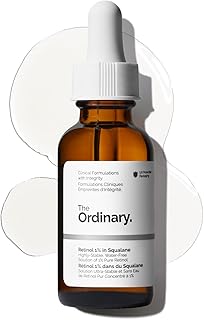
The most well-studied ingredients for fading discoloration include vitamin C (an antioxidant that inhibits melanin synthesis), retinol (which accelerates cell turnover to reveal fresher skin), and daily broad-spectrum SPF, which is non-negotiable for preventing new spots from forming. Supporting ingredients like hyaluronic acid, ferulic acid, and aloe vera help maintain skin tolerance while these actives do their work.
Best picks for dark spots & hyperpigmentation
Top-reviewed products that target this concern.










Dark Spots & Hyperpigmentation: frequently asked questions
What skincare ingredients actually fade dark spots?
The most evidence-backed ingredients are vitamin C, niacinamide, kojic acid, alpha arbutin, and tranexamic acid — all of which interfere with melanin production at different stages. Retinol accelerates cell turnover to push pigmented cells to the surface faster. Daily SPF is non-negotiable: unprotected UV exposure undoes brightening progress and deepens existing spots.
Can a vitamin C serum remove dark spots?
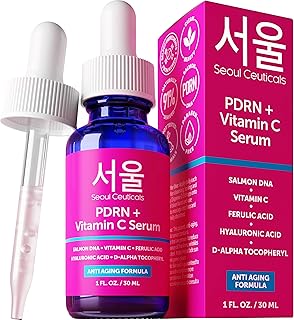
Vitamin C inhibits tyrosinase, the enzyme responsible for melanin synthesis, which gradually dims post-inflammatory and sun-induced hyperpigmentation over several weeks of consistent use. Stability matters — look for formulas that also contain vitamin E and ferulic acid, which keep ascorbic acid effective longer. The TruSkin Vitamin C Serum with Hyaluronic Acid & Vitamin E combines all three.
What do dermatologists recommend for dark spots?
Dermatologists consistently point to three pillars: a broad-spectrum SPF 30+ moisturizer every morning, a topical brightening active (vitamin C, niacinamide, or tranexamic acid) applied consistently, and a retinoid at night to speed cell turnover. For stubborn spots they may add prescription hydroquinone, azelaic acid, or in-office procedures — but the OTC routine above is the essential foundation.
How do Koreans get rid of dark spots?
Korean skincare prioritizes prevention as much as correction: high-SPF sunscreen worn daily (often reapplied midday), gentle double-cleansing to avoid barrier damage, and layering multiple low-concentration actives — niacinamide, alpha arbutin, and tranexamic acid — rather than relying on one high-strength treatment. Consistent long-term use and religious sun protection are the real reasons results show up.
What is the best skincare routine for dark spots?
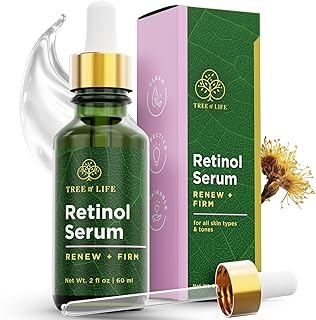
Morning: cleanser → vitamin C serum → moisturizer → SPF 30 or higher. Evening: cleanser → retinol serum → moisturizer. That sequence covers melanin inhibition, cell turnover, and UV defense — the three mechanisms that matter most. The Tree of Life Retinol Serum pairs well as a night step for beginners starting retinol.
Do dark spot serums really work?
Yes, with realistic expectations. Serums formulated with proven actives like vitamin C, kojic acid, or niacinamide produce measurable fading — but timelines are measured in weeks to months, not days. Results also depend on the depth of pigmentation, skin tone, and — critically — whether you're wearing SPF every day. A serum without sunscreen is fighting an uphill battle.
Can dark spots be removed naturally?
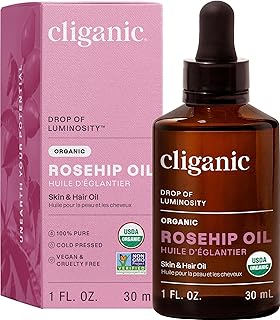
Some plant-derived ingredients — licorice root extract, kojic acid from fermented rice, and vitamin C from rosehip — have genuine brightening evidence behind them. That said, "natural" does not mean faster or stronger. Consistent application, patience of at least 8–12 weeks, and daily sun protection determine outcomes far more than whether an ingredient is synthetic or botanical in origin.