
Ceramides
Ceramides are lipid molecules that occur naturally in skin and make up roughly 50% of the outermost skin layer. They act as the "mortar" between skin cells, forming a protective barrier that locks in moisture and keeps environmental irritants out.
Ceramides benefit virtually every skin type, but are especially valuable for dry, sensitive, or eczema-prone skin. Look for them in moisturizers and serums applied after cleansing—morning or night. Consistent use helps restore a compromised barrier, reduce water loss, and calm redness over time.
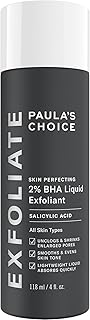
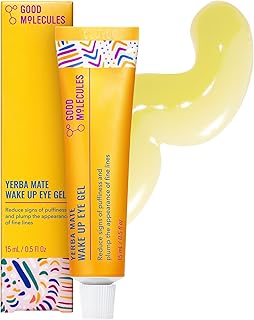
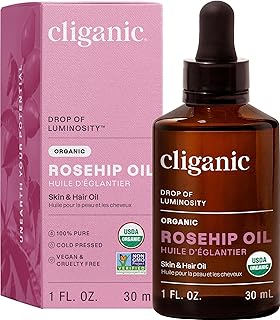
Best Ceramides picks
Top-reviewed formulas featuring this ingredient.





Guides about Ceramides
Hyaluronic Acid: The Best Ingredients to Pair It With
A practical guide to layering hyaluronic acid with niacinamide, vitamin C, and retinol — plus what to avoid and where it fits in your routine.
Read → SerumsRetinol Pairing Guide: How to Layer It Safely
The ingredients that work best with retinol, the ones to keep separate, and exactly where retinol slots into your PM routine.
Read → SerumsWhat to Pair With Niacinamide (and What to Avoid)
Niacinamide plays well with most actives—here's exactly what to layer with it, what to skip, and where it fits in your routine.
Read →Ceramides: frequently asked questions
What do ceramides do for your skin?
Ceramides are lipid molecules that make up roughly 50% of the skin's outer barrier. They act like mortar between skin cells, sealing moisture in and keeping irritants out. When ceramide levels drop—due to aging, harsh cleansers, or cold weather—skin feels tight, flaky, and reactive.
Topical ceramides replenish what's lost, restoring that protective seal so skin stays hydrated and resilient. A straightforward option is CeraVe Moisturizing Cream for Dry Skin, which delivers ceramides in a rich, fragrance-free base.
What are the 3 essential ceramides in skincare?
The three ceramides most commonly cited in skincare research—and listed on CeraVe's formula—are Ceramide 1 (EOP), Ceramide 3 (NP), and Ceramide 6-II (AP). Each supports a slightly different function: ceramide 1 helps anchor the lipid layers, ceramide 3 binds water, and ceramide 6-II assists with cell turnover and barrier cohesion.
Using all three together more closely mimics the skin's natural lipid ratio than any single ceramide can on its own.
Are ceramides better than hyaluronic acid?
They work differently, so it's less about better and more about what your skin needs. Hyaluronic acid is a humectant—it draws water into skin. Ceramides are structural—they form the barrier that keeps that water from escaping. Dry or compromised skin often benefits from both.
If you had to pick one, ceramides address the root cause of moisture loss (a damaged barrier), making them the more foundational fix for chronically dry or sensitive skin.
Who should use ceramide skincare?
Ceramides suit almost every skin type, but they're especially valuable for dry, eczema-prone, or mature skin where the barrier is naturally weaker. People who use retinoids, exfoliating acids, or who live in harsh climates also tend to see real benefit, since those factors accelerate ceramide depletion.
For daily barrier support, the CeraVe Daily Moisturizing Lotion is a lightweight, non-comedogenic option that works well even under makeup.
Can you use ceramides with retinol or other actives?
Yes—ceramides are one of the friendliest ingredients to layer with. They don't interact negatively with retinol, vitamin C, niacinamide, or AHAs. In fact, pairing ceramides with retinol is a common strategy: retinol can temporarily thin the barrier, and ceramides help offset that sensitivity.
Apply ceramide moisturizer after any active serums or treatments as the final skin-facing step, morning or night.
What foods are high in ceramides?
Ceramides occur naturally in wheat germ, brown rice, sweet potatoes, eggs, soybeans, and spinach. Some research suggests dietary ceramides may support skin hydration, though the evidence is still limited compared to topical application.
Eating a balanced diet rich in these foods is worthwhile for overall skin health, but if barrier repair is your goal, a topical ceramide moisturizer will deliver more direct and predictable results.
How long does it take for ceramides to improve your skin barrier?
Most people notice softer, less tight-feeling skin within a few days of consistent use. More meaningful barrier repair—reduced sensitivity, fewer flares, steadier hydration—typically takes two to four weeks of daily application.
Consistency matters more than concentration here. Using a ceramide moisturizer morning and night, especially after cleansing, gives the barrier the best chance to rebuild.