
Hyaluronic Acid
Hyaluronic acid is a naturally occurring molecule found in skin, connective tissue, and eyes. It acts as a humectant, meaning it draws moisture from the environment and deeper skin layers toward the surface, helping skin stay plump and comfortable. Despite its name, it is not an exfoliant and causes no irritation.
Suitable for all skin types — including sensitive and oily — hyaluronic acid is best applied to damp skin, then sealed with a moisturizer to lock in hydration. It works well layered under or over most actives and is gentle enough for daily use, morning and night. Look for it in serums, toners, and moisturizers for a straightforward boost in surface hydration.
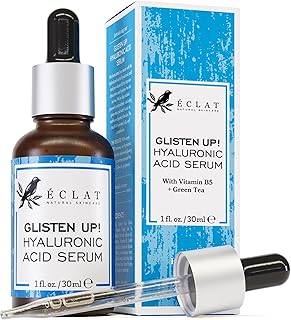
Best Hyaluronic Acid picks
Top-reviewed formulas featuring this ingredient.




Guides about Hyaluronic Acid
Snail Mucin Pairings: What to Layer for Glass Skin
Snail mucin plays well with niacinamide, hyaluronic acid, vitamin C, and retinol — here's how to layer each correctly, and what to skip.
Read → SerumsHyaluronic Acid: The Best Ingredients to Pair It With
A practical guide to layering hyaluronic acid with niacinamide, vitamin C, and retinol — plus what to avoid and where it fits in your routine.
Read → SerumsRetinol Pairing Guide: How to Layer It Safely
The ingredients that work best with retinol, the ones to keep separate, and exactly where retinol slots into your PM routine.
Read →Hyaluronic Acid: frequently asked questions
What does hyaluronic acid do to my face?
Hyaluronic acid is a humectant — it pulls moisture into the outer layers of skin, plumping fine lines and giving your complexion a dewy, bouncy look. Your skin produces it naturally, but levels drop with age and sun exposure. Applied topically, it delivers an immediate hydration boost without greasiness and suits virtually every skin type, including oily and acne-prone skin.
A lightweight serum is the most effective delivery format. Tree of Life Hyaluronic Acid Serum for Face is a straightforward option if you want to add HA to your routine without a lot of extras.
Is there a downside to hyaluronic acid?
In very dry or low-humidity environments, HA can backfire. If there's little moisture in the air to draw from, it may pull water from deeper skin layers instead — leaving skin drier than before. The fix: apply it to slightly damp skin and immediately follow with a moisturizer to seal everything in. Skip it as a standalone last step in dry climates.
Who should avoid using hyaluronic acid?
True allergic reactions to hyaluronic acid itself are extremely rare — it's one of the gentlest actives in skincare. If you notice redness or stinging after using an HA product, fragrance, alcohol, or other formula additives are far more likely culprits than the HA. Those with sensitized or rosacea-prone skin should patch-test any new serum and look for fragrance-free, minimal-ingredient formulas.
What is better, retinol or hyaluronic acid?
They target entirely different concerns, so this is less a competition and more a sequencing question. Retinol stimulates cell turnover over time, improving texture, tone, and the look of deeper lines. Hyaluronic acid delivers immediate surface hydration but doesn't remodel skin. For mature or aging skin especially, using both together is the smarter move — HA cushions the dryness retinol can cause.
Tree of Life Retinol Serum with Hyaluronic Acid pairs both actives in one step if you'd rather not layer multiple products.
What is better, vitamin C or hyaluronic acid?
Different jobs entirely. Vitamin C is an antioxidant that brightens skin, fades dark spots, and defends against UV-related damage — it works on tone and long-term protection. Hyaluronic acid is purely a hydrator. Most routines benefit from both: vitamin C in the morning for antioxidant coverage, HA whenever skin needs a moisture boost.
If you want to simplify, TruSkin Vitamin C Serum with Hyaluronic Acid & Vitamin E combines both actives in one bottle.
Is hyaluronic acid good for older skin?
Yes — it's particularly useful as skin ages. The skin's own hyaluronic acid production slows over time, contributing to dryness and the appearance of fine lines. Topical HA can't replace what's lost at a structural level, but it reliably draws moisture to the surface, making lines look softer and skin feel more supple without irritation.
Pair it with a ceramide-rich moisturizer like CeraVe Moisturizing Cream to lock hydration in — especially important for skin that tends toward dryness.