
Oily Skin & Pores
Oily skin happens when sebaceous glands produce more sebum than the skin needs, leaving a persistent shine and making pores appear larger. Genetics, humidity, and hormonal shifts all influence how much oil your skin makes — and while you can't change your pore size, you can absolutely manage excess sebum and keep congestion in check.
The most effective routines for oily skin lean on a few key ingredients: niacinamide to regulate oil production and minimize the look of pores, salicylic acid to dissolve buildup inside pores, and benzoyl peroxide to target acne-causing bacteria. Lightweight, non-comedogenic moisturizers and SPF are non-negotiable — skipping them often triggers the skin to compensate by producing even more oil.
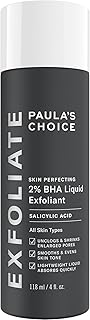
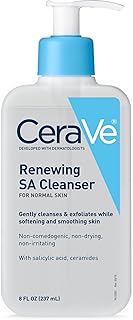
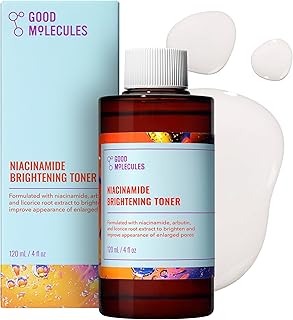
Best picks for oily skin & pores
Top-reviewed products that target this concern.









Oily Skin & Pores: frequently asked questions
What causes oily skin?
Oily skin is primarily driven by overactive sebaceous glands, which produce excess sebum. Genetics play the biggest role, but hormonal fluctuations, humidity, stress, and over-cleansing can all amplify shine. Stripping the skin with harsh products often triggers a rebound effect where glands compensate by producing even more oil.
Should I moisturize if my skin is oily?
Yes — skipping moisturizer can backfire. When skin is dehydrated, sebaceous glands often ramp up oil production to compensate. Choose a lightweight, oil-free, non-comedogenic formula. CeraVe AM Facial Moisturizing Lotion with SPF 30 layers comfortably on oily skin without heaviness and doubles as daily sun protection.
What skincare ingredients work best for oily skin?
Niacinamide visibly reduces the appearance of enlarged pores and helps regulate sebum over time. Salicylic acid (a BHA) penetrates pores to clear congestion. Hyaluronic acid adds lightweight hydration without greasiness. Zinc pairs well with niacinamide to calm excess oiliness. Look for these actives in gel or lotion textures rather than heavy creams.
What skincare ingredients should oily skin avoid?
Heavy occlusives like petrolatum, lanolin, and thick mineral oil can clog pores on oily skin types. Overly drying alcohols (alcohol denat high on the ingredient list) create a temporary matte effect but cause rebound oiliness. Rich butters — shea, cocoa — are generally better suited to dry skin and can contribute to breakouts if you're acne-prone.
Is vitamin C okay for oily skin?
Vitamin C is well-suited to oily skin. It's a water-soluble antioxidant that targets uneven tone and post-breakout marks without adding greasiness. Look for lightweight serums with L-ascorbic acid or stable derivatives. Pair it with niacinamide — a combination like the Tree of Life Niacinamide Serum addresses both brightness and pore appearance in one step.
How do I control shine throughout the day?
Start with a gentle, non-stripping cleanser — a foaming formula with ceramides like CeraVe Foaming Facial Cleanser removes excess oil without disrupting the skin barrier. Midday, blotting papers absorb shine without disturbing makeup. A mattifying, niacinamide-containing primer or SPF lotion in the morning also reduces how quickly oil resurfaces.
Does oily skin really age more slowly?
There's some truth to it. Sebum provides a natural layer of moisture and lipids that can slow the appearance of fine lines compared to dry skin types. That said, oily skin is not immune to sun damage, which is the leading cause of premature aging. Consistent SPF use matters regardless of skin type, and daily moisturizer with broad-spectrum protection remains essential.